
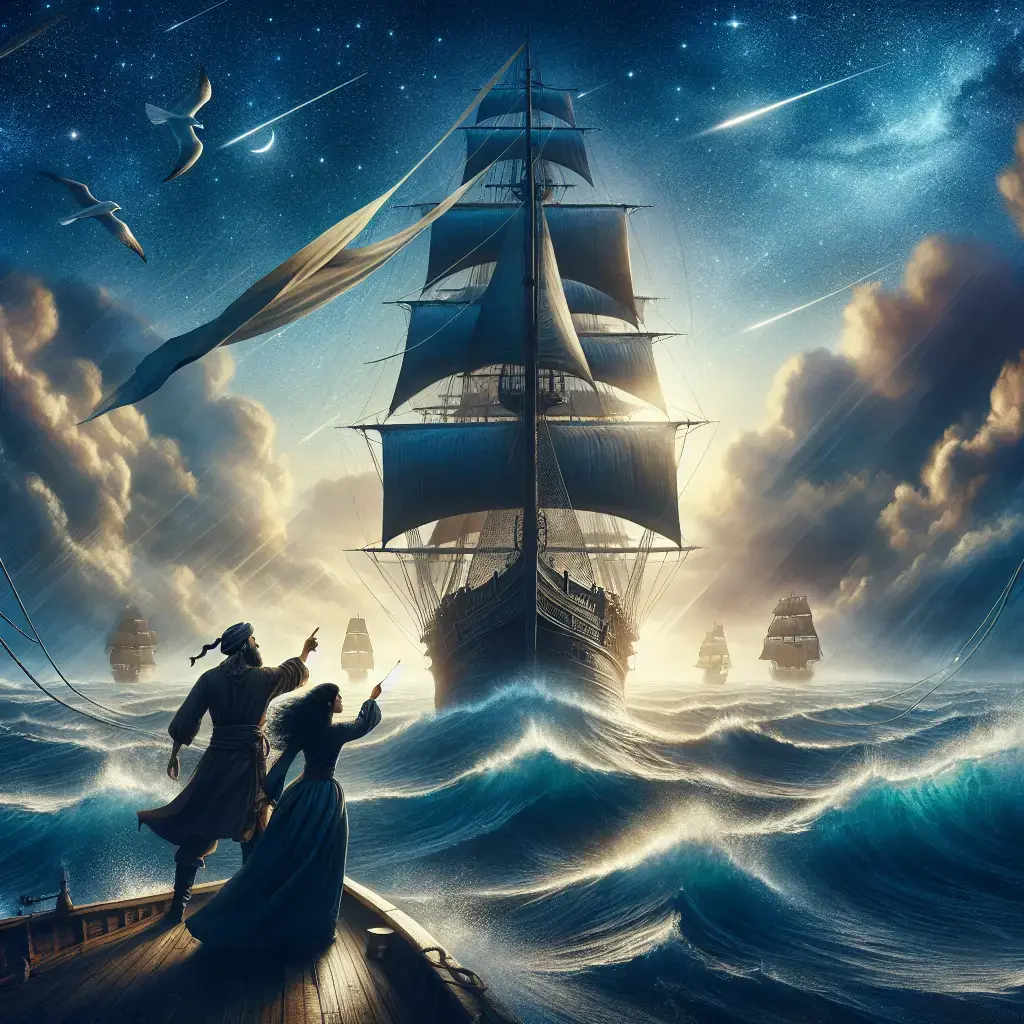
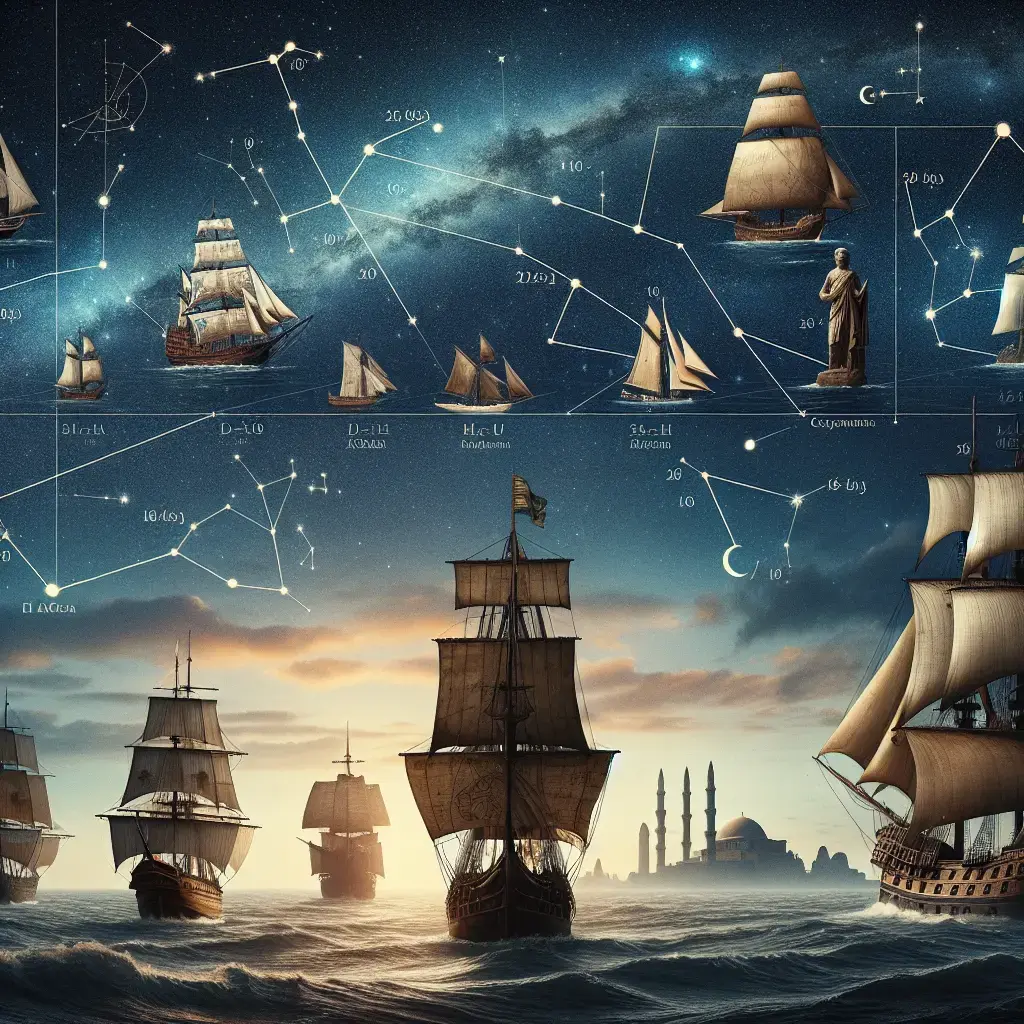
In the grand tapestry of human history, the sea has always been a vast and mysterious expanse beckoning explorers to uncover its secrets. Sailing history is rich with tales of daring navigators and their famous global voyages, each journey a testament to human ingenuity and bravery. From the early world sailing expeditions that charted unknown waters to the detailed nautical explorations that mapped historic sailing routes, these circumnavigation stories are captivating chronicles of discovery. But beyond the thrill of exploration, another intriguing aspect unfolds—the sailors' diet history and maritime cuisine that sustained these intrepid travelers.
As ships embarked on global sailing adventures, the provisioning for sailors became an art form in itself. Food on long voyages was not just about sustenance; it was a crucial element that could make or break a journey. Famous sailors' meals and the culinary history of sailing reveal much about the resilience and adaptability of these sea-bound pioneers. The unique sailing food traditions and historic maritime recipes speak to a creative blend of necessity and innovation, highlighting how world cuisine and sailing have been intertwined for centuries.
The sailors' culinary experiences were shaped by the diverse cultures encountered along historic maritime routes. Sea voyage food culture evolved into a fascinating tapestry of global tastes, with each encounter bringing new flavors and techniques to the fore. As we delve into the world of sailing provisions and sailors' meals, we uncover stories as rich and varied as the oceans themselves. Join us as we navigate this delicious chapter in nautical history, where every voyage offers a savory glimpse into a bygone era of exploration and culinary adventure.
The vast expanse of the ocean has always been a magnet for human curiosity and exploration. The stories of famous global voyages are not just tales of daring and adventure; they are chapters in the rich tapestry of sailing history that have shaped our understanding of the world. With each nautical exploration, these journeys have revealed new lands, connected disparate cultures, and transformed world sailing expeditions into historic sagas of discovery.
One cannot discuss sailing history without mentioning the epochal journeys that defined early circumnavigation stories. The likes of Ferdinand Magellan and Sir Francis Drake set the stage for future explorers, charting unknown waters and mapping what would become historic sailing routes. Their voyages were not only feats of navigation but also complex logistical undertakings involving meticulous provisioning for sailors.
Recent Explorations and Technological Advancements
In recent years, modern technology has revived interest in these ancient routes, with new expeditions seeking to recreate and understand these famous global voyages. For instance, a 2023 expedition led by marine archaeologists retraced Magellan’s route using advanced GPS and sonar technology to locate lost shipwrecks. This project provided fresh insights into the challenges faced by early navigators, underscoring the resilience required to succeed in such daunting ventures source: National Geographic.
Integral to the success of these voyages was the sailors' diet history. The provisioning for sailors was an art that balanced preservation, nutrition, and palatability. In the absence of refrigeration, salted meats, hardtack, and dried legumes became staples on long voyages. These famous sailors' meals were often monotonous but essential for survival.
As voyages grew longer and more ambitious, the demand for diverse maritime cuisine sparked innovation in sailing provisions. The culinary history of sailing saw the introduction of citrus fruits to combat scurvy—a breakthrough that transformed sailors' culinary experiences. This dietary evolution is evident in the sea voyage food culture of the time, which incorporated spices and ingredients from ports along historic maritime routes. Sailors exchanged recipes and cooking techniques with local populations, leading to a rich tapestry of global tastes.
How did these interactions influence world cuisine and sailing? Each global sailing adventure offered unique opportunities for cultural exchange, contributing to the proliferation of ingredients like potatoes and corn from the Americas to Europe, and spices from Asia to the West. This blending of cuisines is a testament to how historic maritime recipes adapted and thrived under the constraints of ocean travel.
Case Study: The East India Trading Routes
The East India Company, a dominant force in nautical exploration during the 17th and 18th centuries, exemplifies this phenomenon. As ships plied the seas along these trading routes, sailors encountered exotic spices such as pepper and cinnamon, which quickly became coveted commodities in Europe. The infusion of these spices into European cooking marked a pivotal shift in culinary traditions and emphasized the symbiotic relationship between world cuisine and sailing source: History.com.
Despite advancements in food preservation, challenges persisted. Prolonged journeys often led to spoilage, necessitating inventive solutions to maintain supplies. Sailors developed ingenious methods to extend the shelf life of their provisions, such as fermenting vegetables or smoking fish. These techniques were not just about sustenance but also reflected a deeper connection between necessity and creativity in sailors' diet history.
Today, the legacy of these historic sailing provisions lives on in modern maritime cuisine. The resurgence of interest in traditional recipes has led chefs worldwide to explore the flavors that once sustained intrepid travelers. Restaurants dedicated to reviving these age-old dishes serve as culinary archives, preserving the essence of those daring journeys for contemporary palates source: BBC Food.
Imagine embarking on a modern-day circumnavigation. What provisions would you pack to ensure both sustenance and enjoyment on your voyage? Considering the vast array of resources available today, how might you integrate historic maritime recipes with contemporary tastes?
Interactive Exploration: What Would You Bring?
This question not only invites reflection but also encourages readers to consider the profound impact that sailors’ culinary experiences have had on our current understanding of global cuisine. It underscores the enduring influence of nautical exploration on our dietary preferences and cultural heritage.
In summary, sailing history is a vibrant chronicle not just of exploration but also of culinary innovation. From the meticulous provisioning for sailors on world sailing expeditions to the evolution of sea voyage food culture, these narratives reveal an intertwined saga of human resilience, adaptability, and creativity that continues to captivate us today.
In conclusion, the history of sailing is an intricate tapestry woven with tales of exploration, technological advances, and culinary innovation. Key highlights from this rich narrative include:
- Pioneering Voyages: Trailblazers like Ferdinand Magellan and Sir Francis Drake set the precedent for global exploration, navigating uncharted waters and establishing historic routes.
- Technological Advances: Modern technology has breathed new life into ancient voyages, exemplified by contemporary expeditions that retrace historic paths with advanced tools such as GPS and sonar.
- Culinary Evolution: The challenges of provisioning for long journeys led to remarkable innovations in food preservation and nutrition, influencing both past and present maritime cuisines.
- Cultural Exchange and Global Cuisine: Maritime explorations facilitated the exchange of culinary traditions and ingredients, significantly impacting global dietary practices.
These elements underscore how sailing adventures have profoundly shaped not only geographical knowledge but also our culinary landscapes. As we continue to explore these historical narratives, we invite you to reflect on how these age-old stories of resilience and creativity resonate with today's global connections.
We encourage you to share your thoughts or experiences related to sailing history or maritime cuisine. Have you ever tried reviving a historic maritime recipe? Or perhaps you have your own story of adventure at sea? Join the conversation by leaving a comment below.
Fair winds and happy voyages! 🌊⛵

Leave a Comment