

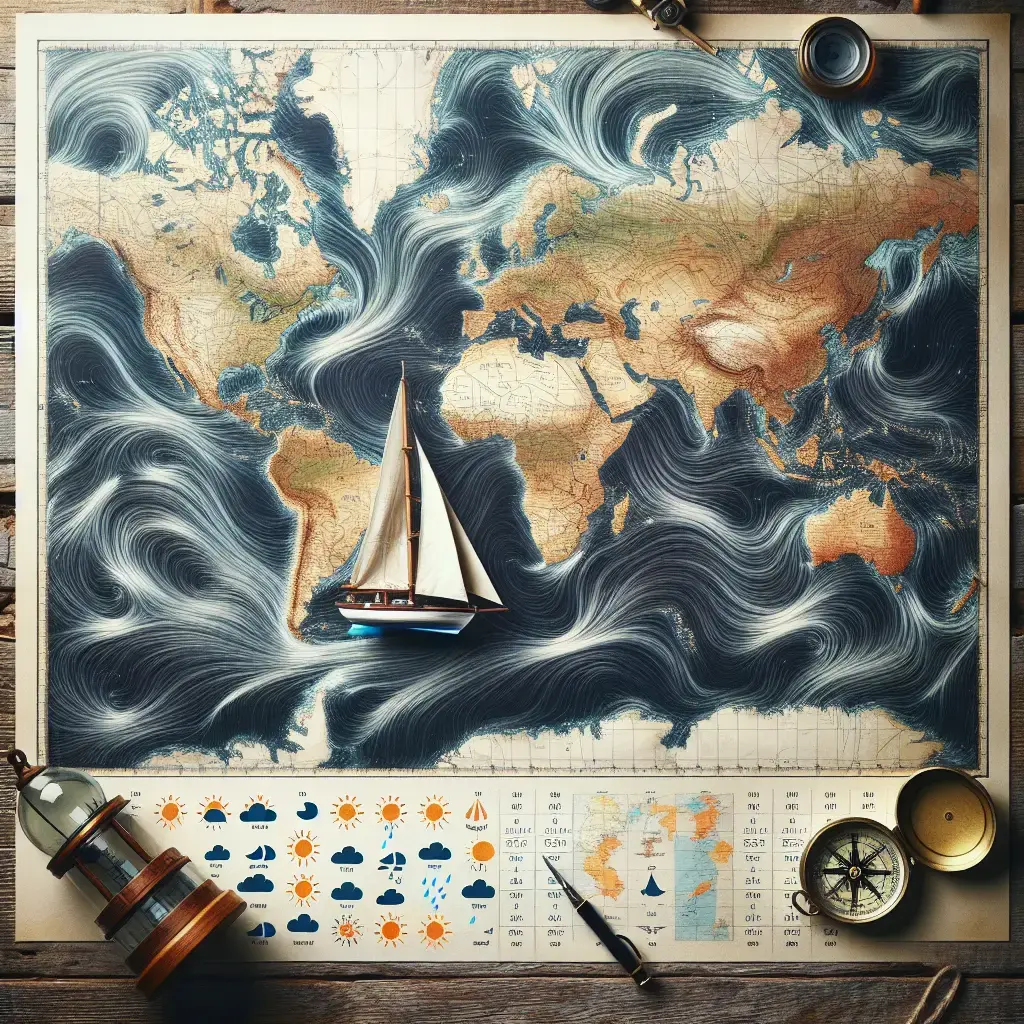
Embarking on a global sailing journey is a dream shared by many sailing sports enthusiasts, offering the thrill of adventure and the challenge of mastering the seas. However, one of the most critical aspects of sailing around the world is understanding and navigating weather patterns. From ocean weather patterns to global maritime conditions, the ability to predict and adapt to these forces is essential for any successful round-the-world sailing expedition. Weather challenges in sailing can be daunting, but with proper sailing expedition planning and a keen sense of global nautical navigation, sailors can harness the power of nature rather than be hindered by it.
For those passionate about sports sailing adventures, a comprehensive grasp of maritime weather analysis and sailing weather forecasting is indispensable. International sailing routes demand an understanding of oceanic weather systems and global maritime conditions, which vary significantly from one region to another. The unpredictable nature of these elements requires global sailing strategies and long-distance sailing techniques that can be finely tuned to each leg of the journey.
Whether you're a seasoned mariner or new to the worldwide sailing experience, acquiring knowledge about global sailing tips and the intricacies of ocean weather patterns will equip you with the tools needed for success. By navigating weather patterns adeptly, sailors can transform potential obstacles into opportunities for exploration and discovery. As we delve into the specifics of sailing expedition planning and explore diverse strategies for understanding marine weather, we will uncover the keys to mastering this awe-inspiring sport and achieving a triumphant global sailing adventure.
Navigating Weather Patterns on a Global Sailing Journey is an essential skill for any sailor looking to conquer the open seas. As sailing sports enthusiasts embark on their round-the-world sailing expeditions, understanding marine weather becomes pivotal. The complexities of ocean weather patterns and global maritime conditions require a meticulous approach to sailing expedition planning, particularly for those venturing along international sailing routes.
Oceanic Weather Systems: Understanding the Basics
Recent Developments in Sailing Weather Forecasting
One of the primary challenges in navigating a global sailing journey is the unpredictable nature of oceanic weather systems. These systems are driven by a combination of atmospheric pressure variations, temperature differences, and wind currents, all of which can vary significantly depending on the region. For instance, the infamous doldrums, or the Intertropical Convergence Zone (ITCZ), present a unique challenge with their erratic weather, characterized by sudden storms and calm winds. Sailors must develop a nuanced understanding of such phenomena to strategize effectively.
In recent years, technological advancements have enhanced our ability to analyze maritime weather. Tools such as satellite imaging and computer modeling have become indispensable for sailing weather forecasting. These technologies allow sailors to receive real-time updates and make informed decisions about route adjustments to avoid severe weather conditions. For example, the European Centre for Medium-Range Weather Forecasts (ECMWF) provides comprehensive weather data that can be crucial for long-distance sailing techniques.
As of 2024, several innovations have emerged in the field of sailing weather forecasting. The use of artificial intelligence and machine learning algorithms has revolutionized how data is processed and interpreted. Companies like PredictWind and Windy have integrated AI to offer hyper-local weather forecasts tailored to specific maritime conditions, enhancing the accuracy of global nautical navigation.
Moreover, recent collaborations between international meteorological organizations have resulted in more cohesive and reliable global weather models. These models have proven invaluable during events such as the Sydney-Hobart Yacht Race, where precise weather predictions can determine the difference between victory and defeat. The integration of such tools into global sailing strategies highlights their critical role in overcoming weather challenges in sailing.
Case Studies: Learning from Past Expeditions
Examining past sailing expeditions can provide valuable insights into effective weather navigation strategies. Take, for example, the Volvo Ocean Race, renowned for its grueling demands on sailors navigating diverse weather systems across the globe. In 2017-18, Team AkzoNobel utilized advanced meteorological data and expert analysis to optimize their route through challenging Southern Ocean conditions, demonstrating how strategic maritime weather analysis can be a game-changer.
Similarly, the Vendée Globe race provides a wealth of lessons in handling extreme oceanic weather systems. This solo round-the-world race pushes sailors to their limits, requiring them to harness cutting-edge technology and deep meteorological knowledge to navigate treacherous waters successfully. By studying these examples, aspiring sailors can glean essential global sailing tips that enhance their worldwide sailing experience.
Practical Tips for Navigating Weather Patterns
For those planning a global sailing journey, practical tips can make a significant difference in overcoming weather-related hurdles:
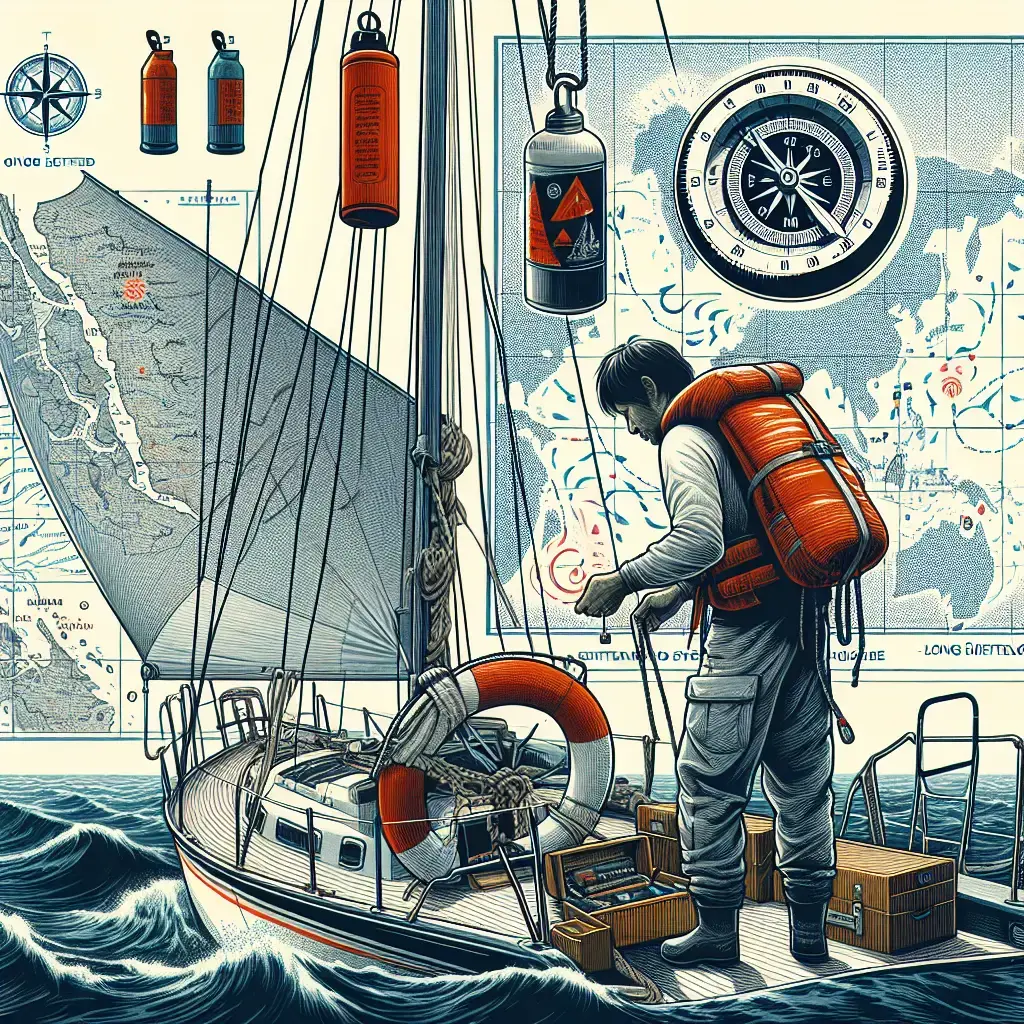
- Invest in Reliable Weather Instruments: Equip your vessel with state-of-the-art weather instruments such as barometers, anemometers, and GPS systems. These tools are vital for real-time data collection and analysis. - Stay Informed with Daily Briefings: Subscribe to daily maritime weather briefings from reputable sources like NOAA's National Weather Service or the World Meteorological Organization. Staying updated ensures you are prepared for sudden weather shifts. - Master Long-Distance Sailing Techniques: Develop skills in reading wind patterns and understanding sea currents. Knowledge of these elements allows for better route optimization and fuel efficiency. - Engage with Sailing Communities: Join forums and online communities where seasoned sailors share insights and updates on current maritime conditions. These platforms offer valuable peer support and information exchange.
Leveraging Technology for Global Sailing Success
The role of technology in modern sailing cannot be understated. Today’s sailors have access to an array of digital tools designed to enhance safety and efficiency on a global sailing journey. Mobile apps like Navionics and iNavX offer detailed nautical charts that integrate with onboard systems to provide comprehensive navigation solutions.
Furthermore, innovations such as autonomous sailing drones are being explored to offer real-time environmental data collection, which could transform future sailing expedition planning by providing unparalleled insights into oceanic weather systems.
Conclusion
In conclusion, navigating weather patterns on a global sailing journey requires an intricate blend of knowledge, technology, and practical skills. By drawing on recent advancements in weather forecasting and learning from past expeditions, sailors can equip themselves with the tools necessary to face the myriad challenges posed by oceanic weather systems. Whether you are an experienced mariner or embarking on your first round-the-world sailing adventure, understanding marine weather is your key to transforming potential obstacles into opportunities for exploration and discovery.
In summary, mastering the art of navigating weather patterns is crucial for any sailor embarking on a global journey. Here are the key takeaways:
- Understanding Oceanic Weather Systems: Grasp the fundamentals of oceanic weather, such as atmospheric pressure, temperature differences, and wind currents. This knowledge is essential for predicting and managing challenges like the Intertropical Convergence Zone (ITCZ). - Harnessing Technological Advancements: Utilize cutting-edge tools like satellite imaging, AI, and machine learning to receive real-time weather updates. Companies like PredictWind and Windy offer precision forecasting that is vital for route planning. - Learning from Past Expeditions: Study successful races like the Volvo Ocean Race and Vendée Globe to glean strategic insights into overcoming diverse weather conditions. - Practical Preparation: Equip your vessel with reliable instruments and stay informed with daily maritime weather briefings from trusted sources like NOAA. Engaging with sailing communities can provide invaluable peer support. - Leveraging Modern Technology: Embrace digital tools such as mobile apps and explore innovations like autonomous sailing drones for enhanced data collection and navigation.As you prepare for your adventure, consider how these strategies and technologies can transform challenges into opportunities for exploration. We encourage you to share your experiences and insights in the comments below—your journey could inspire fellow sailing enthusiasts to navigate their own paths across the seas.
Fair winds and following seas





Leave a Comment